

 FA
FA AR
AR7 Essential Steps for Procuring Industrial Gas Storage Equipment

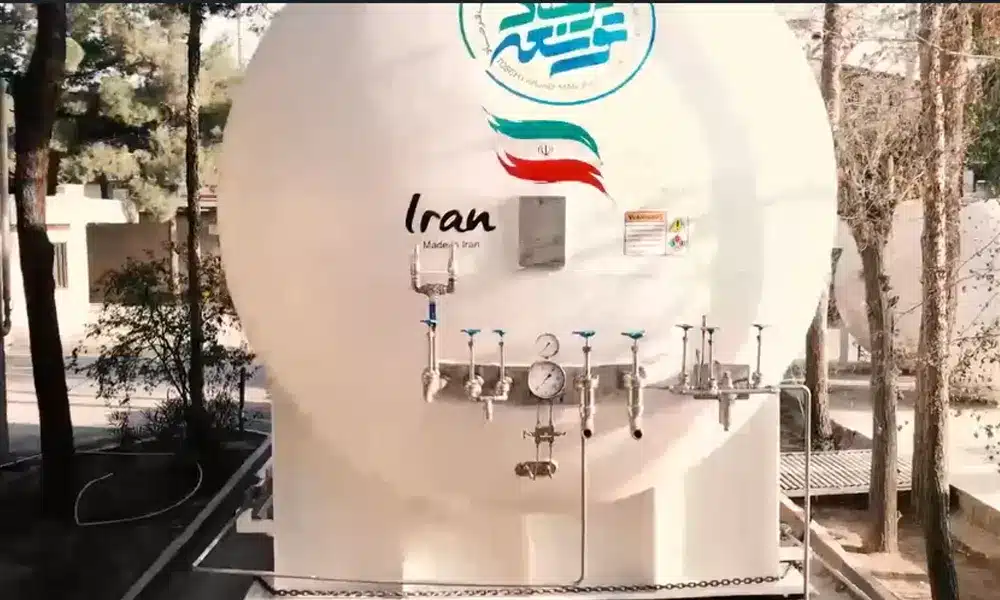
In today’s rapidly evolving oil, gas, petrochemical, and mining industries, the demand for industrial gas storage equipment has become more critical than ever.
These systems play a vital role in ensuring operational continuity, safety assurance, and accident prevention.
Selecting and procuring such equipment requires technical knowledge, precision, and adherence to international standards to achieve optimal performance both technically and economically.
This article outlines seven essential steps for acquiring industrial gas storage systems, providing a clear roadmap for engineers, managers, and decision-makers in the energy sector.
Step 1: Identifying the Type of Gas and Operating Conditions
The first and most crucial step in procuring gas storage equipment is to identify the type of gas and its operational parameters.
Understanding whether the gas is stored under high or low pressure, whether it is cryogenic (liquefied) or stored at ambient temperature, and knowing its chemical properties are key to choosing the right equipment.
For instance, systems designed for liquid oxygen storage differ significantly from those used for nitrogen, carbon dioxide, or hydrocarbon gases. Ignoring these differences can lead to serious safety risks.
Key considerations include:
- Is the gas stored at high pressure or low pressure?
- Is it cryogenic or at ambient temperature?
- Does it have corrosive or explosive properties?
Accurate identification of these factors ensures the selection of safe and compatible storage equipment.
Step 2: Compliance with International Standards
Adhering to international and national standards is one of the most critical aspects of gas storage equipment procurement.
Reliable equipment must be manufactured according to standards such as ASME, API, or ISO.
Compliance guarantees longer service life, reduced leakage or explosion risks, simplified licensing procedures, and even lower insurance costs.
Experience shows that using uncertified or non-compliant equipment—no matter how cheap—can lead to irreversible damage and costly accidents.
Key benefits of standard-compliant systems:
- Minimized risk of leakage and explosion
- Extended equipment lifespan
- Easier regulatory approval
- Reduced insurance expenses
In short, standards ensure safety, reliability, and long-term efficiency.
Step 3: Choosing the Right Material Based on Gas Type and Environment
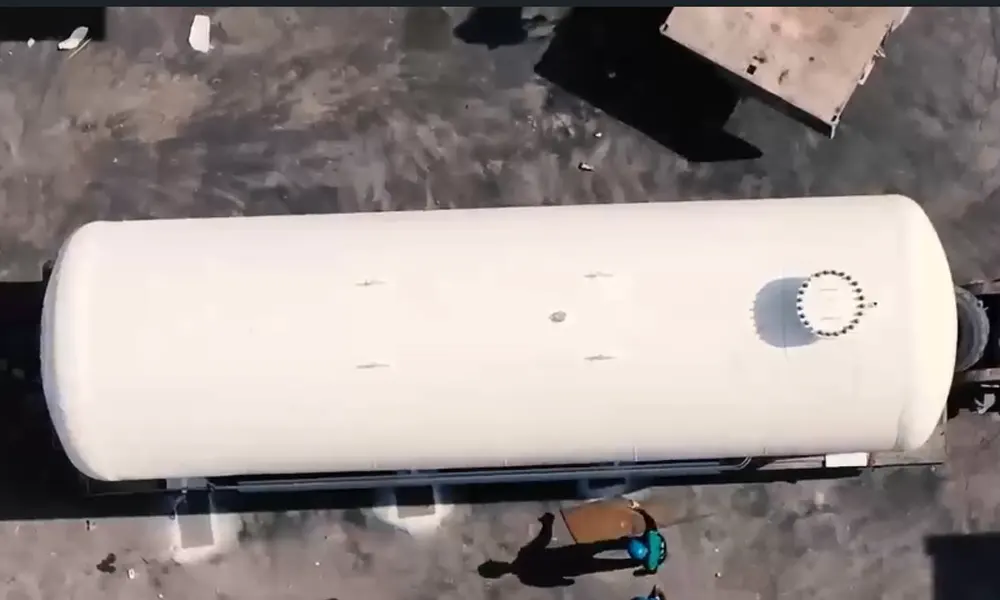
After identifying the gas and applicable standards, the next step is to select the appropriate material for the equipment.
Material selection depends on environmental conditions, humidity levels, corrosiveness, and operating temperature.
- Stainless steel is typically used in humid or corrosive environments.
- Nickel-based alloys are ideal for cryogenic and extremely low-temperature gases.
- Carbon steel with protective coatings may be used for standard conditions and moderate pressures.
Choosing the wrong material can lead to corrosion, cracking, and safety hazards, compromising the entire system.
Step 4: Precision Engineering and Equipment Design
Once the gas type, standards, and materials are determined, engineering design begins.
Using advanced software and technical expertise, engineers design gas storage equipment tailored to specific pressures, temperatures, and capacity requirements.
A well-engineered design enhances both safety and operational efficiency while ensuring cost-effectiveness.
For high-pressure systems, the inclusion of a pressure vessel is essential, and it must undergo comprehensive testing and quality assurance procedures.
Step 5: Integration of Safety and Smart Technologies
Modern industrial gas storage systems must incorporate intelligent safety and monitoring technologies.
Key innovations include:
- Online monitoring systems for pressure and temperature control
- Safety relief valves to prevent overpressure
- Leak detection alarms and sensors for early fault identification
These systems allow for predictive maintenance, prevent potential accidents, and reduce maintenance costs, ensuring continuous and safe operation.
Step 6: Regular Inspection and Preventive Maintenance
Even the highest-quality gas storage equipment will degrade without proper inspection and maintenance.
A structured inspection and maintenance program should include:
- Non-destructive testing (NDT) to detect cracks or internal damage
- Valve and control system checks
- Leak detection and corrosion assessments
Planned maintenance minimizes downtime, prevents accidents, and extends the operational lifespan of the equipment.
Step 7: Workforce Training and Documentation
The final step—often overlooked—is comprehensive personnel training and detailed documentation.
Operators and maintenance teams must fully understand system functionality, safety procedures, and emergency response protocols.
Properly trained staff can respond quickly and effectively during critical situations, reducing risks and improving operational performance.
Even the most advanced equipment cannot guarantee safety without a well-trained workforce.
Avoiding Common Mistakes in Gas Storage Equipment Procurement
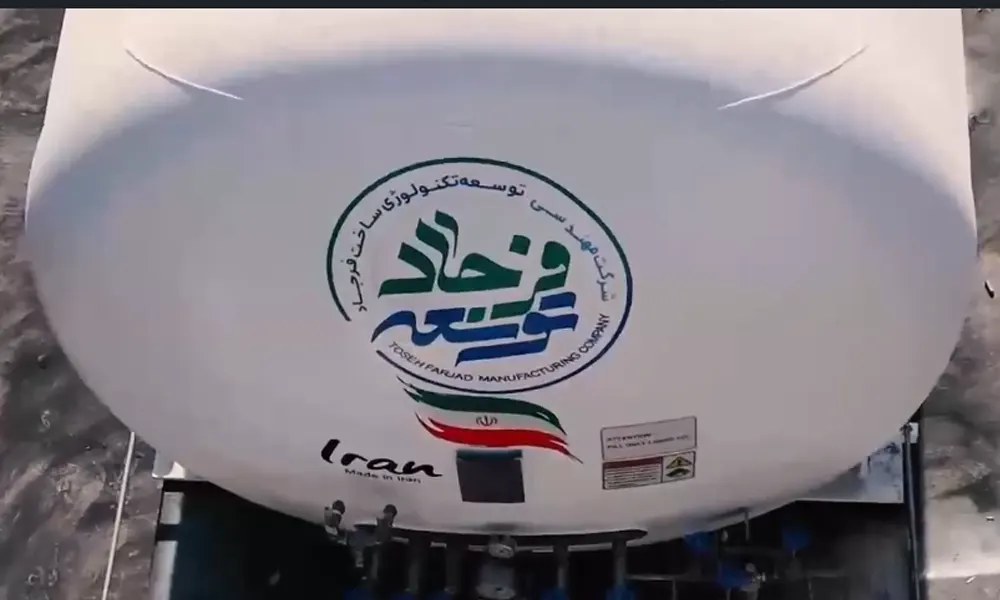
Many industrial projects fail due to overemphasis on initial cost rather than quality and compliance.
Ignoring environmental conditions, climate impact, or maintenance planning can lead to equipment failure, production loss, or catastrophic safety incidents.
Industrial gas storage systems should never be chosen solely based on price or delivery speed.
Quality, certification, and safety compliance must always take priority.
Applications of Industrial Gas Storage Equipment
Industrial gas storage equipment is used far beyond the oil and gas sector — in industries such as:
- Petrochemicals and chemical processing
- Steel and metallurgy production
- Mineral processing and mining
- Food and beverage industries
- Medical and pharmaceutical gas storage
Each sector has unique operational conditions that demand custom-engineered storage solutions to ensure safety and efficiency.
Site Layout and Installation Planning
Proper site design and equipment layout are essential for minimizing explosion and fire risks.
Storage units should be positioned based on:
- Topography and soil stability
- Seismic activity levels
- Prevailing wind direction
- Distance from residential or populated areas
Maintaining safe distances between tanks, relief valves, and other components helps prevent domino effects in case of failure and simplifies emergency management.
The Role of Modern Technologies and Advanced Storage Methods
Emerging technologies, such as Adsorbed Natural Gas (ANG) systems, are transforming industrial gas storage.
ANG allows gases to be stored at lower pressures, enhancing safety, efficiency, and cost savings.
This approach is particularly valuable in applications where weight reduction and compact design are critical, offering a viable alternative to high-pressure storage systems.
Conclusion
The process of procuring industrial gas storage equipment involves more than just purchasing hardware — it requires engineering precision, compliance, safety, and foresight.
By following these seven essential steps, companies can ensure reliable, efficient, and safe gas storage operations that meet both current and future industrial demands.