

 FA
FA AR
ARPrevention and Analysis of Industrial Tank Failures

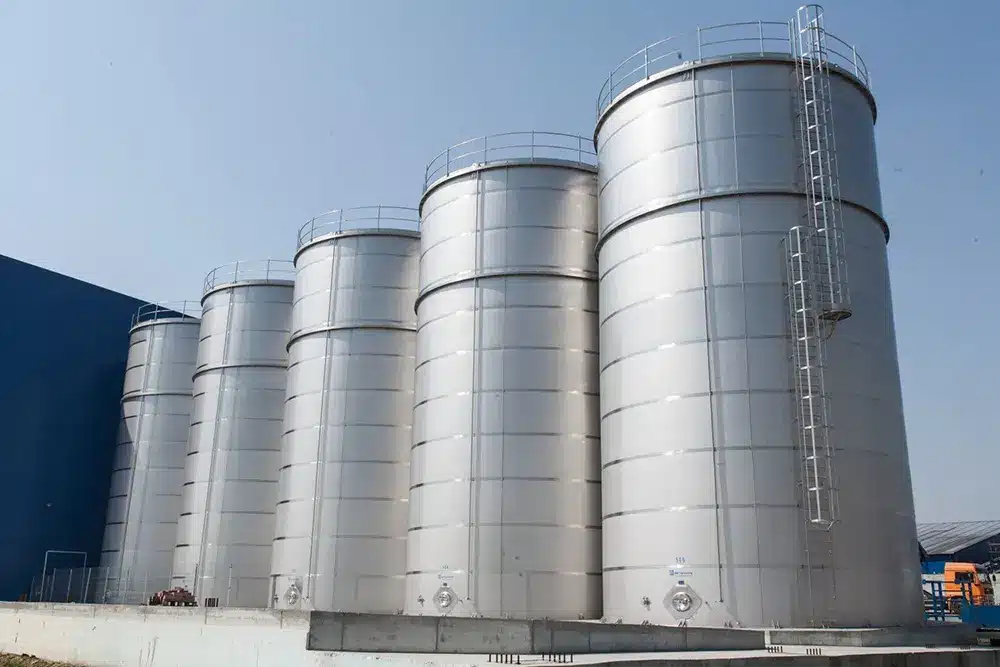
Industrial tank failure can lead to catastrophic and irreversible damage across various industries. Do you know what causes these failures — and how they can be prevented?
In this comprehensive article from Farjad Industrial Development, we explore the main factors behind tank failures and provide practical strategies to ensure safety, reliability, and long-term performance.
Main Causes of Industrial Tank Failure
Industrial tank failure is one of the most costly and hazardous challenges in industrial operations. It can disrupt production, endanger personnel, and result in severe environmental and financial losses. Understanding the root causes is critical for designing safer systems, maintaining operational integrity, and extending equipment lifespan.
Let’s explore the most common causes that contribute to tank failure. These factors often act simultaneously, and if not properly managed, can lead to irreversible consequences.
Internal and External Corrosion
Corrosion is among the most frequent and gradual causes of industrial tank deterioration and failure. It occurs due to chemical reactions between the tank’s metal and substances such as acids, salts, or even water stored inside. Internal corrosion begins on the tank’s inner surface and, if left unchecked, can thin the walls and cause leaks or explosions.
External corrosion is driven by environmental conditions such as humidity, rainfall, or exposure to corrosive chemicals. Using epoxy coatings, corrosion-resistant paints, and environmental humidity control are effective measures to mitigate this issue.
Regular inspection and maintenance schedules can detect corrosion at an early stage and prevent major damage.

Poor Design and Engineering Errors
Improper design or noncompliance with engineering standards is another major cause of industrial tank failure. When the material selected is incompatible with the stored substance, or the wall thickness is miscalculated, the tank’s structural integrity becomes compromised. Poor design can create stress concentration points, leading to microcracks and eventual deformation.
Utilizing advanced engineering software, consulting experienced professionals, and adhering to international standards such as ASME and API can minimize these risks. In industrial projects, cutting design costs at the expense of safety is a costly strategic mistake.
Inadequate Maintenance Practices
No matter how well a tank is designed or constructed, its lifespan depends on proper maintenance. Many catastrophic failures are caused by neglecting early warning signs such as small leaks, discoloration, unusual noises, or pressure fluctuations. Ignoring these indicators can lead to structural damage and sudden collapse.
A preventive maintenance plan, record-keeping of repairs, and the use of ultrasonic sensors or monitoring equipment can greatly improve safety and durability. Maintenance programs should be systematic, continuous, and based on documented procedures — not just visual inspection.
Overpressure and Operating Stress
Excessive internal pressure — beyond the tank’s design limits — can have devastating effects. Causes include overfilling, outlet blockages, pressure relief valve malfunction, or sudden temperature variations.
Under these conditions, the tank walls may expand, deform, or even rupture violently.
To prevent overpressure-related failures, it is crucial to install safety relief valves, pressure alarms, and design systems capable of handling pressure fluctuations.
Tanks operating under constant internal pressure (such as pressure vessels) require even stricter design parameters. Using high-accuracy pressure sensors, adjustable safety valves, and multilayer construction enhances reliability and minimizes failure risk.
Environmental and External Factors
Industrial tanks are often exposed to environmental forces such as wind, rain, earthquakes, and temperature fluctuations. These conditions, if not properly accounted for in design and installation, can significantly affect the tank’s structural integrity. For instance, repeated expansion and contraction caused by temperature swings may lead to microcracks or weld fatigue.
In seismic regions, the use of reinforced bases and anti-vibration systems is essential. Additionally, maintaining safe distances from heavy machinery and transport routes reduces the risk of accidental impact or displacement.

Early Warning Signs of Industrial Tank Failure
Before a complete structural failure occurs, tanks typically show warning indicators that can be detected through observation and monitoring. Recognizing these signs can dramatically reduce repair costs and prevent accidents.
Here are some of the most common indicators:
1. Structural Deformation
Visible distortion, bulging, or tilting of the tank body often indicates internal stress or pressure imbalance. Even minor shape changes can point to underlying structural weaknesses and must be investigated immediately.
2. Minor Leaks and Moisture Signs
Small leaks or damp spots — especially near weld seams or nozzles — are early indicators of material fatigue or corrosion. Continuous leakage, even at low rates, can thin the tank walls over time and result in catastrophic failure.
3. Unusual Sounds or Vibrations
Unfamiliar noises such as whistling, popping, or vibration can signal internal cracks or valve malfunctions. Ignoring these can lead to sudden and dangerous ruptures. Installing acoustic and vibration monitoring sensors provides valuable early detection capability.
4. Localized Temperature Rise
Abnormally high surface temperatures near weld joints or supports may indicate internal friction, electrochemical corrosion, or stray electrical currents. Regular thermal imaging inspections can detect these “hot spots” and allow corrective action before failure occurs.
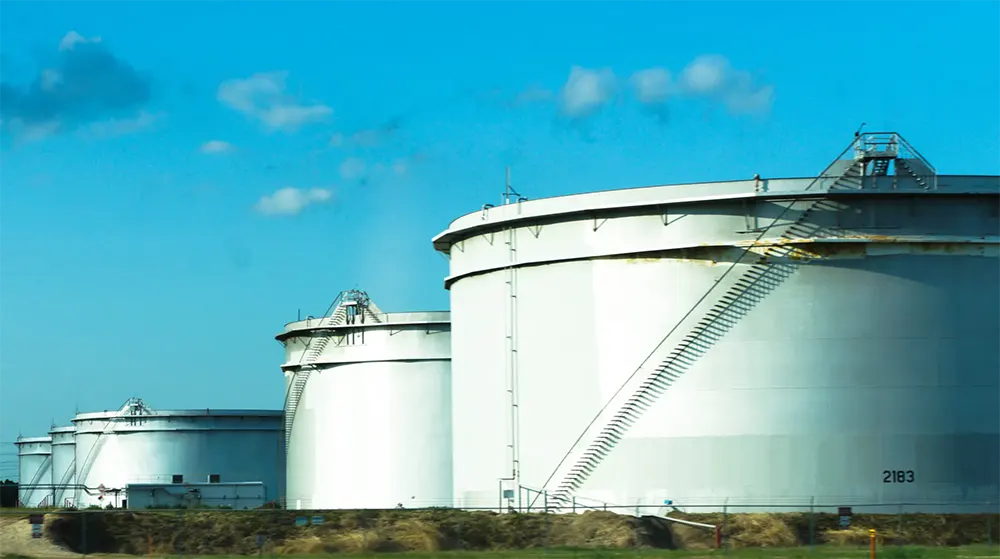
Effective Strategies for Preventing Industrial Tank Failures
Preventing failure is far more efficient, economical, and safer than repairing or replacing damaged tanks.
In high-risk sectors such as oil, gas, petrochemical, and pharmaceuticals, preventive measures are essential not only for cost savings but also for environmental and personnel safety.
1. Engineering Design and Material Selection
Proper design in accordance with international standards like ASME Section VIII and API 650 is the first step toward reliability. Material selection should match the type of fluid, temperature, and operating pressure.
For example, stainless steel is an ideal choice for tanks storing corrosive substances, significantly reducing corrosion and failure risks.
2. Regular Inspection and Preventive Maintenance
Systematic inspection schedules drastically reduce failure probability. Use ultrasonic thickness testing, leak detection, and non-destructive testing (NDT) methods such as PT, MT, and RT for thorough analysis.
Preventive maintenance includes cleaning, replacement of worn components, and updating safety systems like relief valves — all based on manufacturer recommendations and operational history.
3. Smart Monitoring and Early Warning Systems
Recent technological advances in real-time monitoring, IoT sensors, and data analytics have revolutionized industrial maintenance.
These systems continuously collect data on tank conditions and issue alerts when abnormal readings occur.
Using machine learning algorithms for predictive maintenance helps identify weak points before a major failure happens — especially for remote or hazardous installations.
4. Staff Training and Safety Awareness
Even the most advanced systems rely on skilled and aware personnel.
Continuous training on safety protocols, hazard recognition, and emergency response enhances operational safety. Recording and analyzing past incidents also supports organizational learning and continuous improvement.
Companies that invest in employee education, documentation, and root-cause analysis consistently report fewer tank failures, improved productivity, and reduced downtime.