

 FA
FA AR
ARBest Gas Transmission Methods: From Production to Consumption

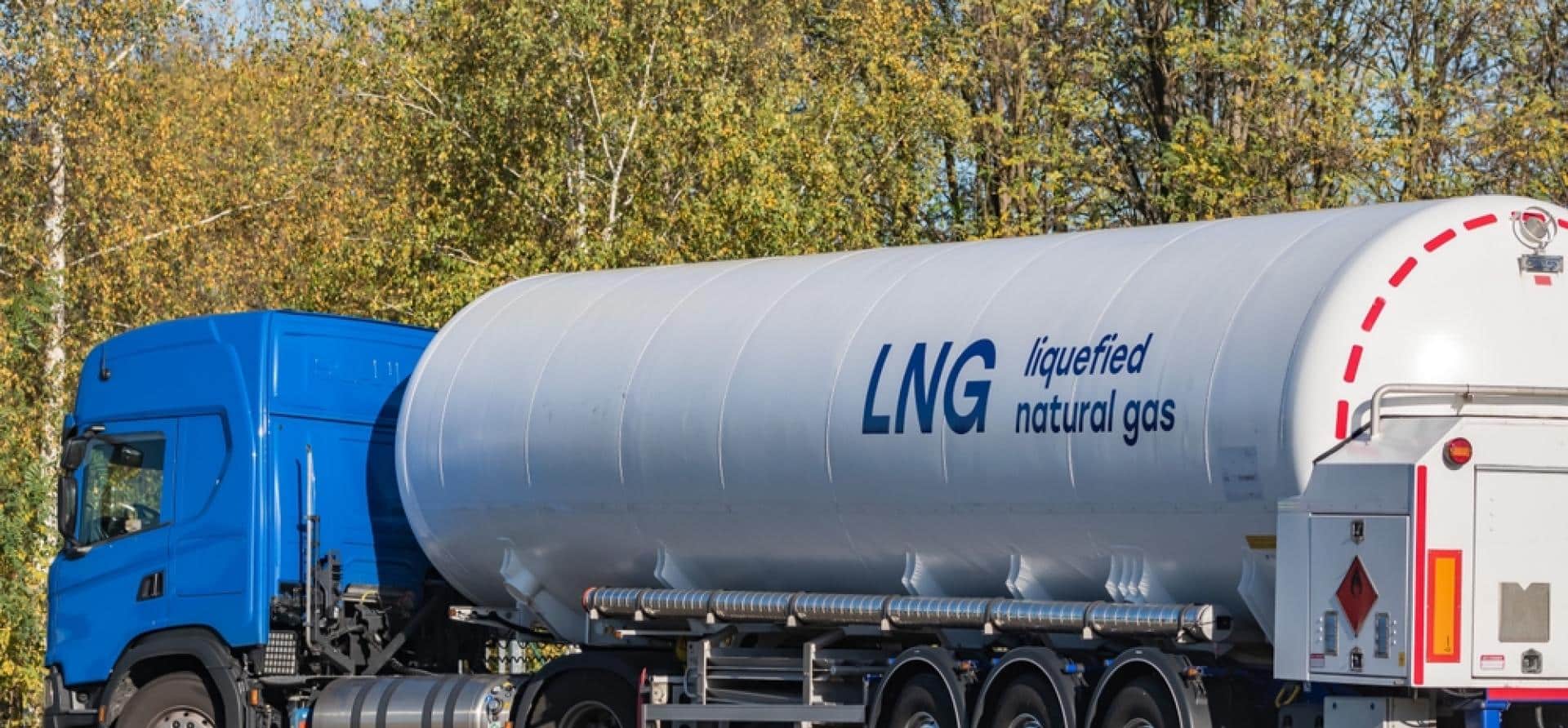
Gas transmission is one of the most critical stages in the energy supply chain — a process that, if not properly managed, can significantly increase operational costs and pose serious safety risks to consumers.
In today’s world, where the demand for both natural and industrial gases is steadily increasing, finding the most efficient and secure methods of gas transmission from production to consumption has become essential.
In this article, Farjad Engineering & Development Co. explores the most effective, safe, and cost-efficient gas transmission methods, analyzing how advanced technologies can ensure stability, sustainability, and reliability in every step of the process.
The Importance of Gas Transmission in the Energy Chain
Imagine gas produced in a remote gas field that must travel thousands of kilometers before reaching industrial facilities or households.
Any minor defect along this path can lead to serious operational failures, environmental contamination, and economic losses.
From extraction to end-use, gas transmission is a complex and highly sensitive process.
Selecting the right transmission method can make a major difference in cost efficiency, product quality, and overall safety.
Leading companies like Farjad Engineering & Development Co. have invested heavily in optimizing this process to deliver innovative and reliable transmission solutions.
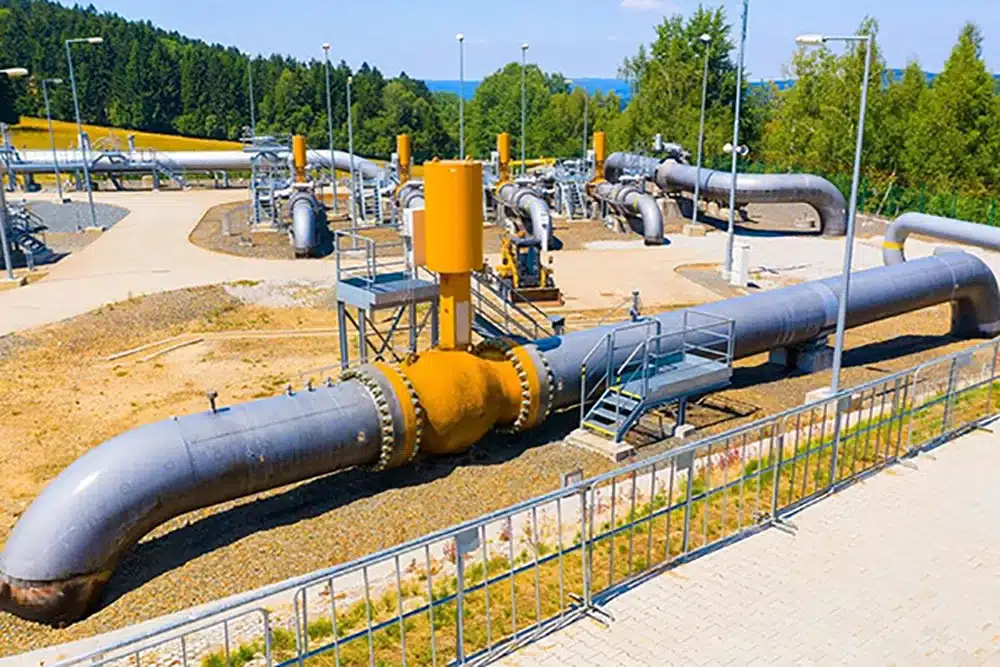
Pipeline Systems — The Backbone of Gas Transmission
When it comes to large-scale gas transmission, pipeline networks are the most widely used and reliable method.
These massive underground or subsea pipelines function as the arteries of the global energy system, transporting gas from production sites to cities, industrial plants, and end consumers.
Even though they are often invisible to the public, pipelines are essentially the beating heart of modern energy infrastructure.
Advantages of Pipeline Transmission
The popularity of pipeline systems lies in their ability to transport vast volumes of gas continuously and efficiently over long distances.
Pipelines are built with different diameters and wall thicknesses and use high-pressure compressors and pumping stations to maintain a consistent gas flow.
To ensure stability and prevent dangerous pressure fluctuations, pressure vessels and buffer tanks play a crucial role.
These vessels are engineered to regulate internal pressure, maintaining uniform flow and ensuring the safe and reliable operation of the pipeline system.
Challenges of Pipeline Systems
Despite their benefits, pipelines face serious challenges such as corrosion, wear, and leakage.
A small leak in a remote section of the network can cause environmental damage, product loss, and safety hazards.
To address these issues, the industry now relies on advanced monitoring and inspection technologies, including:
- Smart monitoring systems
- In-line inspection robots
- IoT-based pressure and flow sensors
These innovations allow for real-time diagnostics and predictive maintenance, minimizing downtime and extending the operational lifespan of the infrastructure.
Gas Liquefaction: An Advanced Solution for Long-Distance Transport
When gas must be transported across international borders or challenging terrains, pipeline construction is not always feasible.
In such cases, gas liquefaction provides an excellent alternative.
By converting natural gas into liquid form (LNG), its volume is reduced by up to 600 times, making it much easier and more economical to store and transport.
Why Liquefaction?
Liquefied Natural Gas (LNG) is essential for countries that export or import gas over long distances.
Building pipelines across oceans or mountainous regions is often impractical or uneconomical, making LNG the most efficient and flexible solution.
This method not only reduces transmission costs but also enables access to global energy markets, providing strategic advantages for both suppliers and consumers.
The Role of Cryogenic Technology
Achieving the ultra-low temperatures required for gas liquefaction depends on cryogenic engineering.
In this process, gas is cooled in specialized equipment until it reaches a liquid state, then stored in insulated, pressure-controlled cryogenic tanks designed to maintain low temperatures for extended periods.
Once liquefied, LNG can be transported safely via cryogenic ships, road tankers, or rail systems.
This method ensures both volume efficiency and operational safety, as liquefied gas is more stable and less volatile than compressed gas.
Tankers and Road Transportation of Gas
Not all regions are connected to national or cross-border pipeline networks.
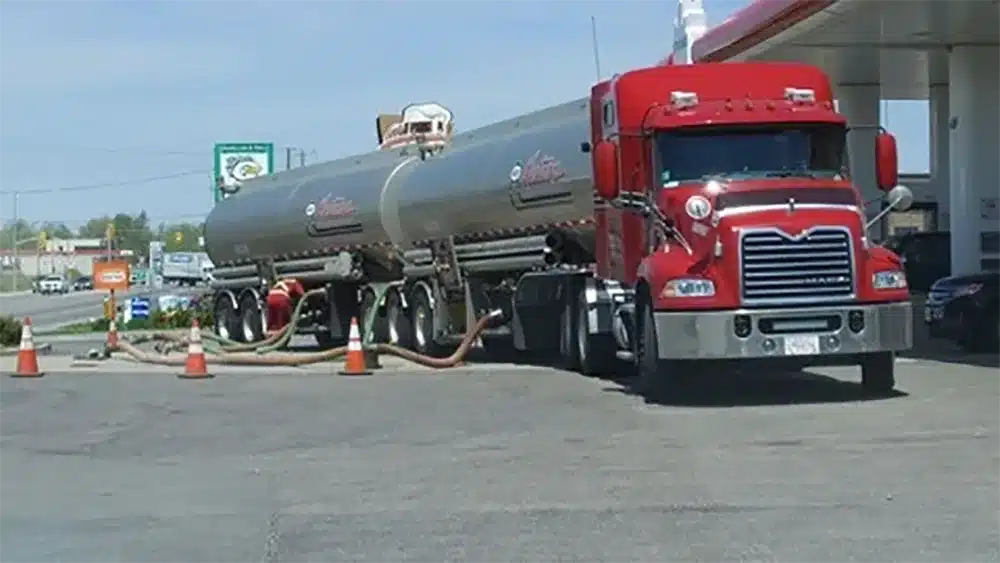
In such cases, road-based gas transportation using specialized tankers becomes a practical solution.
These systems are especially valuable for remote or industrial areas where infrastructure investment for pipelines is not economically viable.
Advantages of Tanker-Based Transport
Specialized gas tankers are engineered with high-strength, insulated materials that allow for safe and controlled transport of both liquefied and compressed gases.
This approach is particularly useful for industrial zones, small-scale plants, and isolated communities that are not connected to a central gas network.
Although it involves higher operational costs than pipelines, tanker transport offers greater flexibility, making it an excellent short- to medium-distance solution.
Industrial Applications of Liquefied Gas
Small-scale industries that rely on consistent but limited gas supply benefit greatly from tanker-based delivery.
For example, manufacturing plants, workshops, and chemical processing facilities use gas tankers to maintain continuous operations without interruption.
Gas suppliers, such as Farjad Engineering & Development Co., often implement scheduled delivery programs to ensure reliability and eliminate downtime for industrial clients.
Emerging Innovations in Gas Transmission
The energy sector is rapidly evolving, and gas transmission technologies are advancing accordingly.
Traditional systems are being replaced or enhanced with digital, automated, and data-driven solutions to ensure efficiency, safety, and sustainability.
Digitalization and Smart Monitoring
Today’s leading gas companies utilize Internet of Things (IoT) sensors, Artificial Intelligence (AI), and advanced monitoring systems to oversee their transmission networks in real time.
These smart systems detect even the smallest variations in pressure, flow, or temperature and issue alerts before a fault escalates into a major incident.
Collected data also helps engineers make smarter maintenance and infrastructure decisions, optimizing performance and reducing costs.
Role of Gas in Mineral and Industrial Processes
Gas also plays a vital role in mining and metallurgical processes.
For instance, in leaching operations used for metal extraction, precise gas flow control is essential to achieve efficient chemical reactions.
Inadequate gas transmission can lead to incomplete reactions, lower yields, and reduced process efficiency.
Therefore, modern gas transmission technologies are crucial not only for energy supply but also for industrial process optimization and productivity.
Conclusion: Choosing the Right Gas Transmission Method
Each gas transmission method has its advantages depending on geographical conditions, energy demand, and economic goals.
- Pipeline systems are ideal for large-scale, long-term gas transport.
- Liquefaction and cryogenic technology (LNG) are best for international trade and long-distance shipping.
- Tanker and road transport remain flexible and reliable for isolated or small-scale consumers.
Ultimately, combining advanced monitoring technologies, high-quality engineering equipment, and strict safety standards ensures a secure, cost-effective, and sustainable gas transmission network.