

 FA
FA AR
ARApplications of Methane Gas

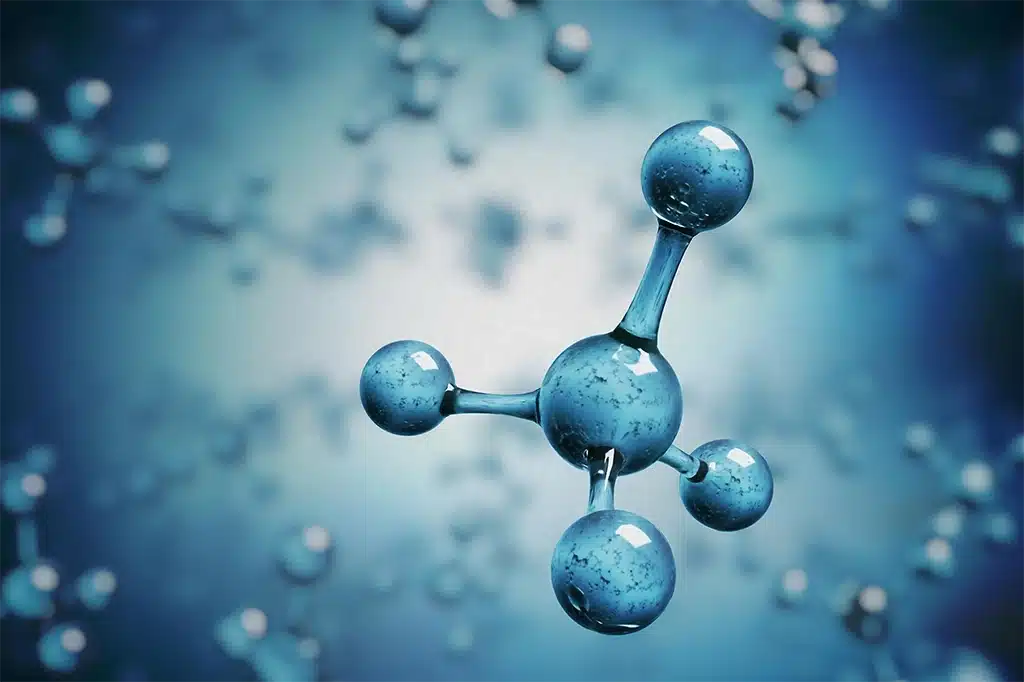
Methane gas is one of the most fundamental and influential compounds in the global energy cycle and environmental systems.
It occurs naturally through processes such as the decomposition of organic matter in wetlands and the digestive systems of livestock, and it is also released into the atmosphere through human activities such as oil and gas extraction, agriculture, and waste management.
A key fact about methane is its global warming potential (GWP) — over a 20-year period, methane is 86 times more potent than carbon dioxide (CO₂) in trapping heat.
This makes it one of the most concerning greenhouse gases driving climate change worldwide.
In industrial methane projects, using high-standard pressure vessels with advanced safety features is crucial.
In this regard, Farjad Engineering & Development Company provides innovative engineering solutions to help industries design and select optimized methane storage systems.
This comprehensive article explores methane from a scientific and industrial perspective, including its molecular structure, sources of production, industrial applications, environmental impacts, and control technologies.
If you seek accurate and practical insights into methane, stay with us to the end.

What Is Methane Gas?
Methane (CH₄) is one of the simplest yet most impactful hydrocarbons in nature.
It consists of one carbon atom bonded to four hydrogen atoms in a stable and symmetrical molecular structure.
Methane is colorless, odorless, and exists as a gas at standard temperature and pressure.
Naturally, methane forms in environments such as swamps, wetlands, ruminant digestive systems, and coal beds.
Because of its high capacity to absorb and retain heat, methane is a major greenhouse gas and plays a significant role in global warming.
As a result, scientists worldwide are conducting extensive research to understand its role in climate dynamics and its impact on the planet’s future.
Chemical Formula and Molecular Structure
The chemical formula of methane is CH₄.
Its molecular geometry is tetrahedral, with one carbon atom at the center forming four covalent bonds with hydrogen atoms.
This configuration produces an angle of approximately 109.5 degrees between bonds, resulting in high structural stability under normal conditions.
This simple yet stable molecular structure makes methane chemically less reactive but highly useful in industries such as petrochemicals, fuel production, and biotechnology.
A deep understanding of methane’s molecular properties is essential to predict its physical and chemical behavior in various industrial and environmental applications.
Physical and Chemical Properties
Methane is lighter than air, with a density of about 0.7 kg/m³ under standard conditions.
Because of its low density, any leakage from storage tanks or pipelines quickly disperses upward into the atmosphere.
Its boiling point is approximately −161.5°C, indicating the extremely low temperature required for liquefaction (LNG production) — a key feature for natural gas transportation.
Chemically, methane is highly flammable.
When mixed with air at concentrations between 5% and 15%, it can produce explosive mixtures.
These properties make methane both valuable and hazardous, emphasizing the importance of strict safety management during its handling, storage, and transport.
Sources of Methane Emissions
Methane enters the atmosphere from both natural and anthropogenic (human-induced) sources.
Identifying and quantifying these sources is crucial for global strategies aimed at reducing greenhouse gas emissions.
Depending on geography, climate, and land use, each source contributes differently to overall methane production.
Natural Sources (Wetlands, Livestock, and Landfills)
The primary natural sources of methane include:
Wetlands and marshes — where anaerobic bacteria decompose organic matter in oxygen-free conditions.
Livestock digestion — especially ruminants like cows, whose digestive microbes break down cellulose to produce methane.
Landfills — where organic waste decomposes without oxygen, generating large amounts of methane gas.
Although these processes are natural, they contribute significantly to the global methane budget when scaled up.
Human Sources (Industry, Agriculture, Fossil Fuels)
Human activities are the largest contributors to rising atmospheric methane.
In the oil and gas industry, methane is released during extraction, processing, and transportation as a by-product.
Without proper recovery or flaring systems, this gas escapes directly into the atmosphere.
In agriculture, flooded rice paddies create anaerobic conditions ideal for methane-producing microbes.
Additionally, coal mining releases trapped methane from underground seams.
With global industrial expansion and increasing energy demand, anthropogenic sources continue to dominate methane emissions.
Industrial Applications of Methane Gas
Methane is a primary energy source across numerous industries, valued for its abundance, high combustion efficiency, low cost, and cleaner burning characteristics compared to heavier fossil fuels.
From electricity generation to domestic heating and petrochemical feedstock, methane is a cornerstone of the world’s energy infrastructure.
Efficient utilization of methane enhances energy productivity and reduces environmental impact.
1. Electricity and Power Generation
One of the most significant industrial applications of methane is in electricity generation.
Methane-fired gas turbines and boilers emit fewer pollutants than coal-based systems and produce lower levels of CO₂ and particulates.
It is also used in Combined Heat and Power (CHP) systems, which simultaneously produce electricity and heat, increasing overall energy efficiency.
In some regions, microturbines fueled by methane provide localized or backup power, contributing to distributed energy networks.
2. Residential Fuel and Heating
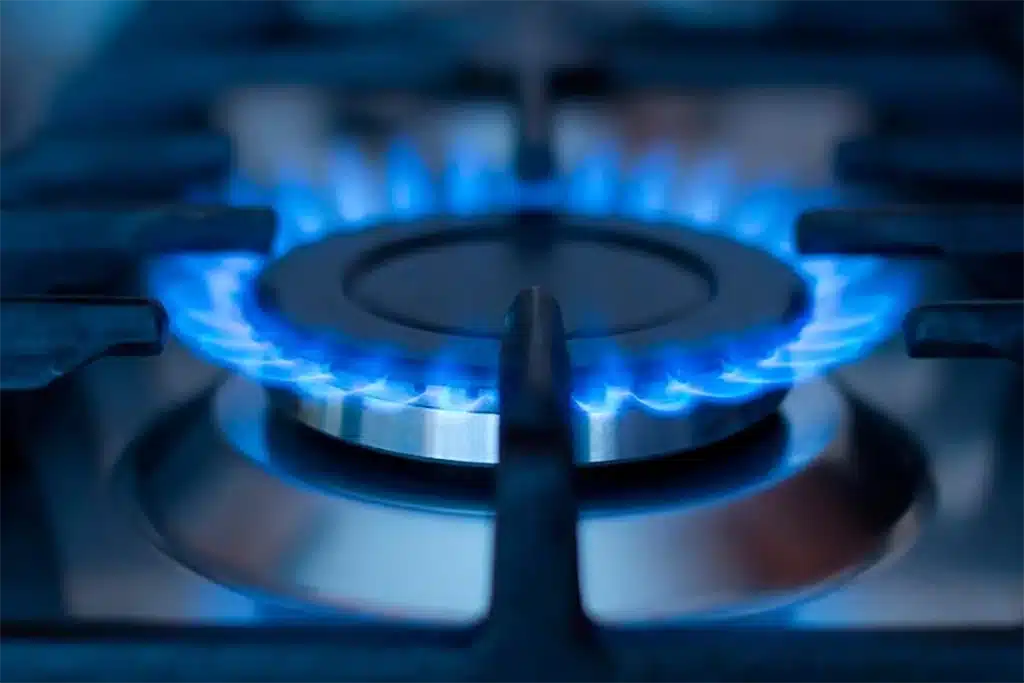
Methane, known commercially as natural gas (NG), is the most common household fuel in many parts of the world.
It is supplied via extensive pipeline networks and used for cooking, space heating, and water heating.
Compared with liquid or solid fuels, methane burns cleaner and more completely, producing minimal soot or residue.
For safety, an odorant called mercaptan is added so leaks can be easily detected.
Because of its efficiency and affordability, methane remains the preferred choice in urban energy policies worldwide.