

 FA
FA AR
ARAn Analysis of Advanced Methods for Leak Prevention in Multi-Line Systems

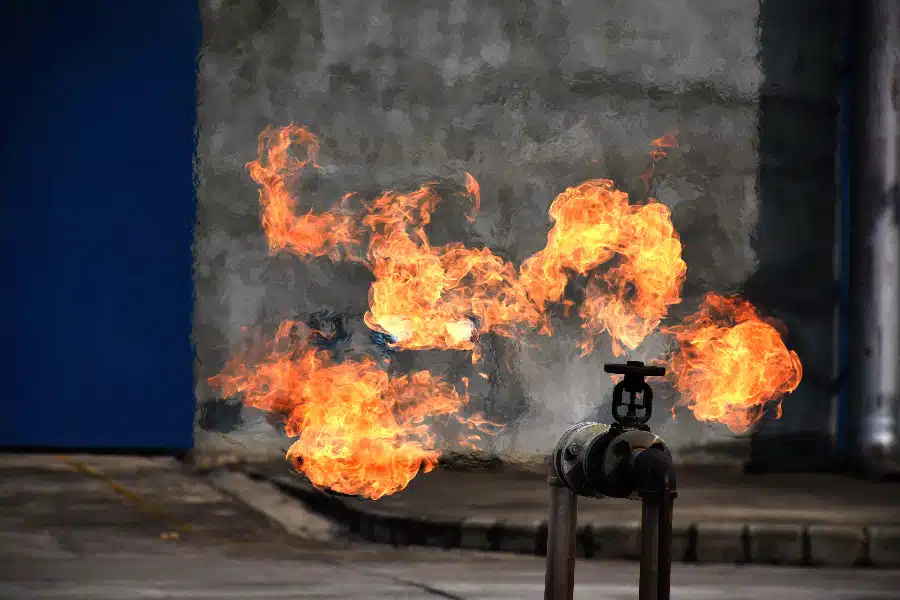
In the gas, petrochemical, and energy industries, transmission and distribution networks are typically composed of multiple pipelines that simultaneously transport different materials. These multi-line systems, due to high pressures, variable temperatures, and the presence of hazardous chemicals, are inherently exposed to the risk of leakage.
A leak in such systems not only leads to significant financial losses but can also result in severe environmental and human safety hazards. Therefore, leak prevention in multi-line systems is one of the most critical challenges industrial engineers face today.
This article explores the most advanced and effective technologies, design principles, and preventive strategies for controlling and preventing leakage in complex gas and liquid transmission systems.
Proper Design – The First Step in Leak Prevention
No complex system can operate safely without proper and precise design. The design of multi-line systems must consider key parameters such as working pressure, fluid type, temperature range, and material selection.
Each transmission line should have a dedicated path, ensuring that any potential failure in one line does not propagate to other sections of the network.
Material and equipment selection play a crucial role in leak prevention.
Using corrosion- and vibration-resistant alloys, multi-layered sealing joints, and high-integrity safety valves significantly increases the reliability of multi-line systems and reduces the risk of leakage.
The Role of Specialized Valves in Multi-Line System Safety
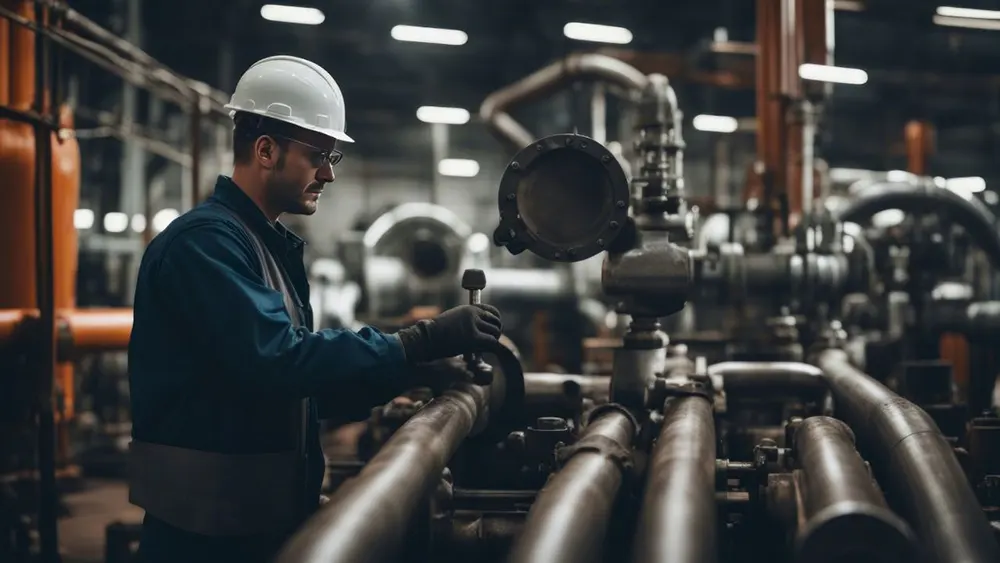
One of the most effective solutions for pressure control and leak prevention in multi-line networks is the use of cryogenic valves.
These valves are specifically designed to operate under extremely low temperatures and high pressures, making them essential in liquefied gas and oxygen systems.
Farjad Engineering Development Co. recommends using valves that comply with international standards and certifications (e.g., API, ISO, and CE) to ensure full sealing performance even under harsh operating conditions.
Flow Separation and Control System Design
An essential principle in multi-line system design is flow path separation.
This is achieved by installing flow control systems, emergency shut-off valves, and pressure relief units.
In such setups, if a leak occurs in one line, pressure and flow are automatically regulated in the remaining lines to prevent further propagation and ensure overall system stability.
Preventive Maintenance and Smart Equipment Monitoring
Even the best-engineered systems require regular maintenance.
Leak prevention in multi-line systems is only achievable through a structured monitoring and maintenance program.
Each system should have a defined schedule for inspection, cleaning, and pressure testing to detect potential leaks before they escalate into critical failures.
Smart Monitoring Systems and Leak Detection Sensors
In recent years, smart monitoring technologies have become essential tools for ensuring the safety of gas and liquid pipelines.
By installing pressure, temperature, and gas sensors along key sections of the network, the system can detect even the smallest abnormal fluctuations in real time.
These readings are continuously transmitted to the control center, where automated alerts are generated in case of potential leakage.
Integrating such systems with artificial intelligence (AI)-based data analytics dramatically enhances predictive capabilities, significantly reducing the likelihood of leaks in multi-line operations.
Maintenance of Critical Equipment: Pressure Vessels and Vaporizers
Within multi-line systems, equipment such as pressure vessels and vaporizers play a critical safety role.
Proper maintenance includes regular internal pressure checks, weld and seam inspections, and hydrostatic testing.
Neglecting these tasks, even briefly, can lead to severe and widespread leakage incidents.
Farjad Engineering Development Co. strongly recommends that inspection and maintenance be conducted at short intervals in accordance with international standards (ASME, API, ISO) to maintain optimal safety and operational reliability.
Standardization and Workforce Training
Advanced technology alone cannot ensure safety — skilled and well-trained personnel are essential.
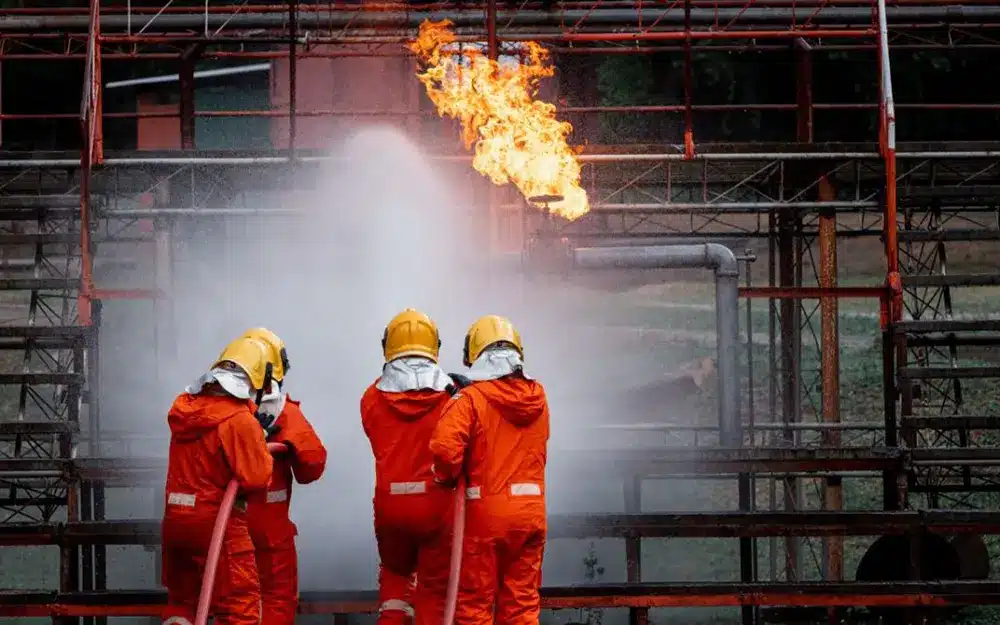
Following safety protocols, maintaining accurate operational logs, and ensuring staff are familiar with leak detection procedures are all key factors in minimizing risks and preventing leakage across multi-line systems.
The Role of Training and Safety Culture in Gas Industries
Continuous employee training in industrial equipment handling not only reduces human error but also fosters a strong culture of safety and responsibility.
In projects involving hazardous and toxic gases — such as those transported in semi-trailers (semi-trailers for liquefied gases) — even a small mistake can have catastrophic consequences.
Understanding gas behavior, equipment functionality, and emergency response protocols is therefore essential for all operating personnel.
Adopting Advanced Technologies in Multi-Line System Design
Modern pipeline engineering technologies are rapidly evolving.
Innovations such as nano-coatings for corrosion resistance, anti-vibration systems, and automated precision welding are now among the most effective methods for enhancing reliability and preventing leakage in complex multi-line systems.
Data Analytics and AI-Based Leak Prediction
In advanced industrial environments, AI algorithms are increasingly being used to predict potential leak points before they occur.
By analyzing historical data and real-time sensor feedback, these systems identify high-risk zones and recommend preventive actions.
When combined with automated flow control systems, these technologies represent the next generation of leak prevention in multi-line networks.
Conclusion
Ensuring the safety and integrity of transmission networks — and preventing leakage in multi-line systems — requires a holistic approach that integrates robust design, precise maintenance, high-quality equipment, and trained personnel.
In complex multi-line configurations, even minor errors in connection, material selection, or valve performance can have serious consequences.
Farjad Engineering Development Co., leveraging its deep expertise in industrial equipment manufacturing and supply — including cryogenic valves, pressure vessels, semi-trailers, and vaporizers — remains committed to providing innovative, reliable, and safe engineering solutions that enhance operational safety and minimize leakage risks in multi-line industrial systems.