

 FA
FA AR
ARBest Practices for Maintenance and Extending the Lifespan of Industrial Equipment

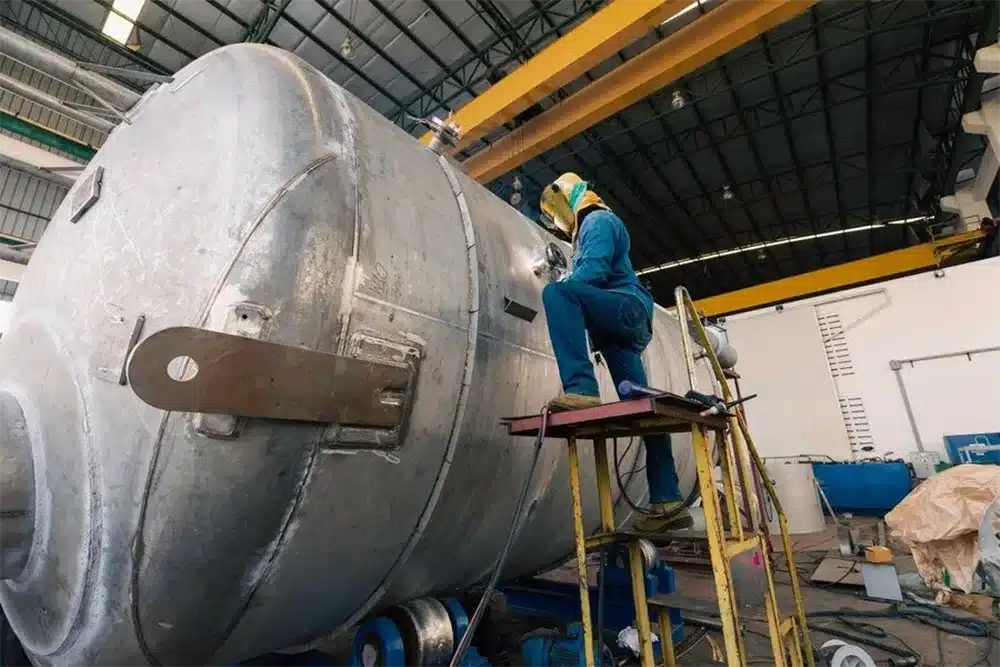
In various industries, industrial equipment acts as the lifeblood of production. A sudden breakdown or a drop in performance can halt the entire production line and result in significant financial losses. Therefore, maintenance and lifespan extension of industrial equipment are no longer optional tasks — they are essential components of modern asset management strategies.
In this article from Farjad Engineering & Development Company, we explore the most effective, science-based, and technology-driven methods for extending the lifespan of industrial machinery — methods that can be applied across multiple industries, from power plants to cement factories and petrochemical complexes.
The Importance of Maintenance Planning
Maintenance without proper planning is like driving down a dark road without headlights. Even the most advanced machines will experience wear, reduced efficiency, and unexpected shutdowns if not properly maintained.
When a structured maintenance plan is in place, all operations shift from a reactive to a preventive approach — meaning instead of fixing breakdowns, potential failures are prevented before they happen.
In large-scale industries and sensitive projects — such as those executed by Farjad Engineering — a well-designed maintenance plan not only extends the lifespan of equipment but also improves productivity, enhances workplace safety, and reduces emergency repair costs.
Let’s explore the three key pillars of an effective maintenance strategy that ensure long-term equipment reliability and performance.
Developing a Detailed and Documented Maintenance Schedule
The first step in maintaining and extending the lifespan of industrial equipment is creating a precise and well-documented maintenance schedule.
This schedule should include regular inspection intervals, part servicing, replacement of consumables, and safety checks. Every piece of industrial equipment — from pressure vessels to complex cryogenic systems — has its own operational cycle, and ignoring it accelerates wear and tear.
The schedule must be tailored based on equipment type, operating conditions, and working hours. For instance, a machine operating in humid or high-temperature environments requires more frequent inspection and servicing. Preventive maintenance helps avoid unplanned downtime and significantly increases equipment life.
All maintenance activities should be logged in a central documentation or CMMS (Computerized Maintenance Management System). This helps managers analyze performance trends and make data-driven decisions for future maintenance and upgrades.
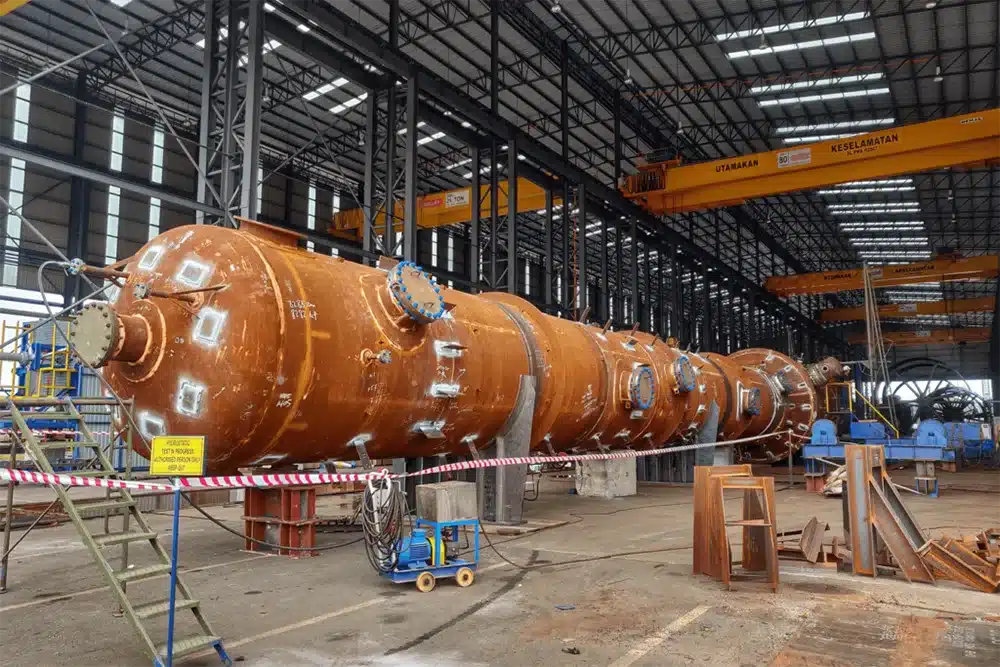
Utilizing Smart Monitoring Systems and Data Analytics
In today’s industrial world, technology plays a crucial role in predictive maintenance. Condition Monitoring Systems use sensors to record key parameters such as temperature, pressure, vibration, and flow rates in real time.
These data are analyzed by AI-powered software to detect early signs of malfunction or abnormal behavior.
For example, in cryogenic valves or vaporizers operating under extreme temperatures and pressures, even a slight change in pressure can signal a potential failure. Smart monitoring systems can send early warnings to maintenance teams, allowing for quick intervention before damage occurs.
In large industrial operations, even data from semi-trailers and liquid gas transfer lines can be monitored to ensure operational safety. This high level of visibility not only prevents sudden equipment failures but also improves long-term planning accuracy for maintenance and lifecycle management.
The Role of Training and Organizational Culture
No maintenance plan can succeed without trained personnel. Operators and technicians must be well-versed in safety standards, inspection procedures, and early warning signs of failure.
Educating staff on proper equipment use, standard consumables, and regular servicing has a direct impact on extending the lifespan of industrial machinery.
Key Factors Affecting Equipment Lifespan
To enhance equipment longevity, it’s essential to consider both technical and environmental factors. Proper design, suitable working conditions, and accurate maintenance form the foundation of equipment durability.
Environmental Control
Environmental conditions such as temperature, humidity, and contamination directly affect machine performance. For instance, high humidity accelerates corrosion in metallic and electronic components.
Maintaining optimal temperature and proper ventilation in equipment rooms is a key step toward extending equipment life and improving reliability.
Regular Lubrication and Cleaning
One of the simplest yet most effective practices in industrial maintenance is regular lubrication. It reduces friction between moving parts, prevents overheating, and minimizes wear.
Keeping equipment clean is equally important — dust and debris can cause mechanical blockages or disrupt sensor and electrical connections.
Using High-Quality and Certified Components
Low-quality parts are the biggest threat to long-term reliability. In cryogenic or LPG systems, using cryogenic valves that meet international standards prevents leaks and pressure loss.
Similarly, in pressure vessels, selecting the right alloy and ensuring standard-compliant welding are critical to both safety and equipment longevity.
Human Factors in Effective Maintenance
Even the best technologies are useless without skilled operators. Well-trained personnel understand how to operate, inspect, and maintain machinery correctly — reducing human errors and early failures.
Technical Training and Skill Development
Regular training programs for operators and technicians increase their awareness of equipment behavior.
A person who can recognize early warning signs can act before a failure occurs. Farjad Engineering & Development Co. often includes operator training as part of its industrial projects to ensure long-term reliability.
Building a Maintenance-Driven Culture
A true maintenance culture values prevention over repair. Organizations that internalize this culture experience fewer production interruptions.
Management can encourage this behavior by rewarding responsibility, providing continuous training, and promoting accountability among staff.
Specialized Maintenance for Critical Equipment
Certain industrial systems require more specialized maintenance due to their sensitivity or operational complexity.
In gas, petrochemical, and hazardous material industries, precision maintenance is vital for both safety and performance.
Maintenance of Gas and Liquid Transfer Systems
In facilities using tankers or semi-trailers for transporting gases and liquids, inspecting for leaks, monitoring pressure, and checking fittings are vital safety measures.
Even minor defects in transfer lines can lead to major risks. Regular maintenance not only extends service life but also ensures operational safety.
Maintenance of Cryogenic and Vaporization Systems
In liquefied gas storage and vaporization systems, specialized components such as vaporizers play a critical role.
Sediment buildup, pressure imbalance, or heater element failure can reduce efficiency. Periodic servicing and temperature control are essential for reliable and safe operation.
Adoption of Advanced Technologies
Modern industries are increasingly integrating smart sensors, digital monitoring systems, and predictive analytics to maintain their equipment.
By analyzing historical and real-time data, these systems can accurately predict maintenance needs and prevent unexpected failures — a crucial step toward extending the lifespan of industrial assets.
Conclusion
To achieve maximum performance, industrial equipment must be maintained with precision and discipline.
A combination of strategic planning, environmental control, use of certified components, and skilled personnel forms the foundation of a strong maintenance system.
Investing in maintenance means investing in the long-term stability and profitability of your business.
With years of technical expertise and access to the latest technologies, Farjad Engineering & Development Co. provides integrated solutions for equipment life extension, cost reduction, and sustainable industrial performance.