

 FA
FA AR
ARPreventing Industrial Gas Leaks

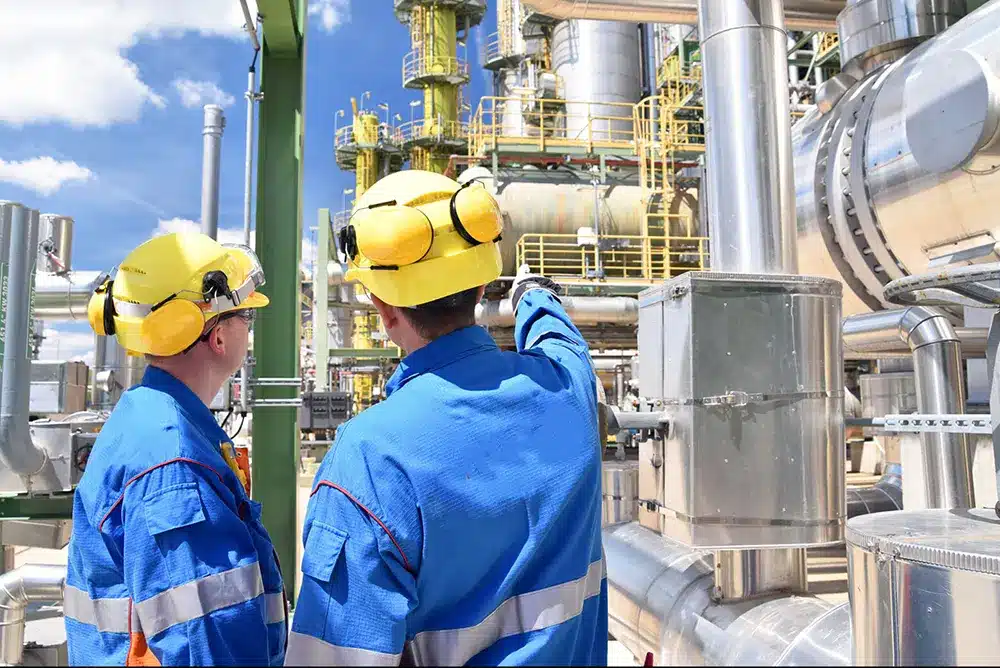
Industrial gas leakage is one of the most dangerous and costly problems across various industries. From petrochemical plants to steel production facilities and refineries, even the smallest leak can lead to production shutdowns, environmental pollution, or catastrophic explosions.
Therefore, preventing industrial gas leakage has become one of the top priorities for safety and maintenance engineers worldwide.
Farjad Engineering & Development Co., with its extensive experience in the design, manufacturing, and supply of industrial equipment, has always emphasized the importance of proper maintenance and the selection of certified components to prevent gas leaks.
In this article, we explore the most effective methods and technologies that can extend equipment lifespan and ensure the safety of gas transmission systems.
The Importance of Preventing Industrial Gas Leaks
No industry can afford to underestimate the risks associated with gas leakage.
In many industrial applications, gases are stored or transferred under high pressure or extremely low temperatures, which significantly increases the risk of leakage and makes its control a complex engineering challenge.
Minor leaks may seem insignificant at first, but over time, they lead to pressure drops, system inefficiency, increased energy consumption, and serious safety risks.
In facilities that handle flammable or toxic gases, even the slightest sealing failure can cause disastrous consequences.
Therefore, implementing effective prevention strategies is not only economically beneficial but also essential for protecting personnel and the environment.
Planned Maintenance and Equipment Management
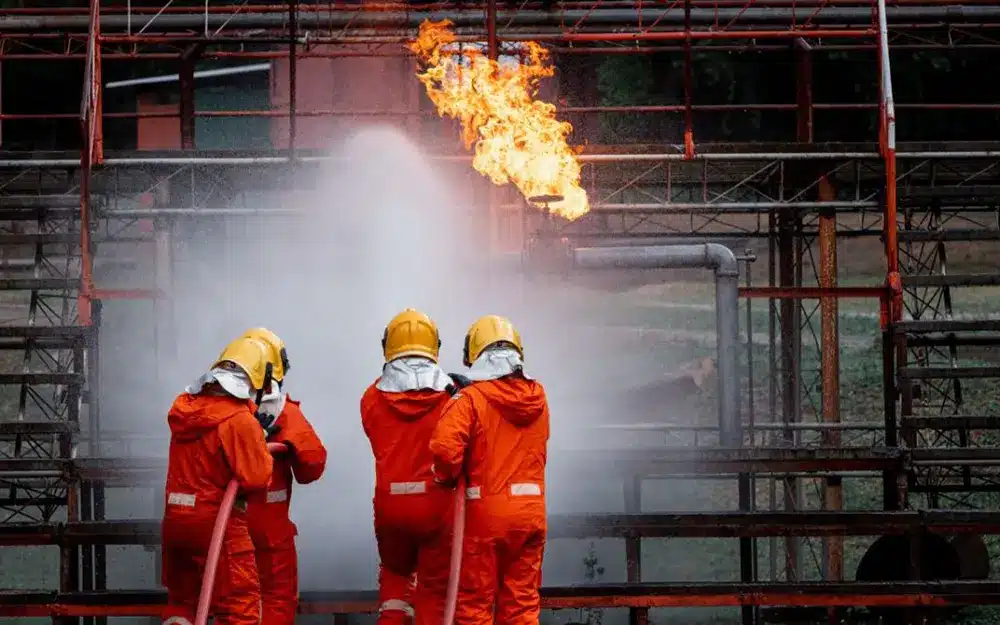
In any gas or petrochemical facility, planned maintenance is the cornerstone of preventing leaks and maintaining system integrity.
Gas leaks typically occur due to gradual wear of system components rather than sudden failures.
Thus, having a scheduled inspection plan, performance data logging, and component condition analysis plays a crucial role in leak prevention.
A typical gas system consists of pipes, fittings, valves, pressure vessels, and vaporizers, all of which are constantly exposed to high temperatures, humidity, vibration, and pressure.
Neglecting regular maintenance can cause even minor cracks or seal failures to result in pressure loss, production interruption, or explosions.
The primary goal of maintenance is to extend equipment lifespan, reduce leakage risks, and maintain process stability.
At Farjad Engineering & Development Co., maintenance systems are designed scientifically and systematically, incorporating periodic inspections, non-destructive testing (NDT), temperature and pressure monitoring, and seal integrity assessments.
Periodic Inspection of Pipelines and Connections
The first step toward preventing gas leaks is the thorough inspection of pipelines and fittings.
Pipelines may be exposed to thermal fluctuations, mechanical vibrations, or corrosive materials along their route, all of which gradually weaken the metal structure and lead to corrosion or fatigue.
In this context, the use of advanced detection technologies is crucial.
Modern industries rely on gas leak sensors, infrared thermographic cameras, and acoustic detection systems to identify even the smallest leaks before they escalate.
These systems can detect anomalies accurately even in high-pressure environments or areas with mechanical noise.
Quality Control of Valves and Pressure Equipment
Industrial valves are among the most critical components of any gas system, responsible for controlling, stopping, or regulating gas flow.
Their proper performance directly impacts the overall safety and reliability of the system.
In fact, a significant percentage of gas leaks originate from faulty or worn-out valves.
In systems operating under cryogenic conditions, the use of cryogenic valves is essential.
These valves are engineered to withstand extremely low temperatures — as low as −196°C — without deformation or leakage.
Selecting high-quality, certified valves that comply with international standards such as API and ASME ensures both leak prevention and extended system lifespan.
However, maintenance does not end with the valve selection.
Regular inspections of seals, O-rings, and moving parts are vital, as constant exposure to gas pressure and temperature may reduce their elasticity and sealing performance.
Farjad Engineering & Development Co. provides scheduled repair and calibration services that help industries maintain the highest level of gas leakage prevention.
In addition to valves, pressure vessels also require consistent inspection and monitoring.
Internal pressure can cause wall fatigue or microcracks over time.
Hydrostatic tests and ultrasonic inspections are among the most reliable methods for verifying the structural integrity of pressure equipment.
Using Certified and Durable Equipment
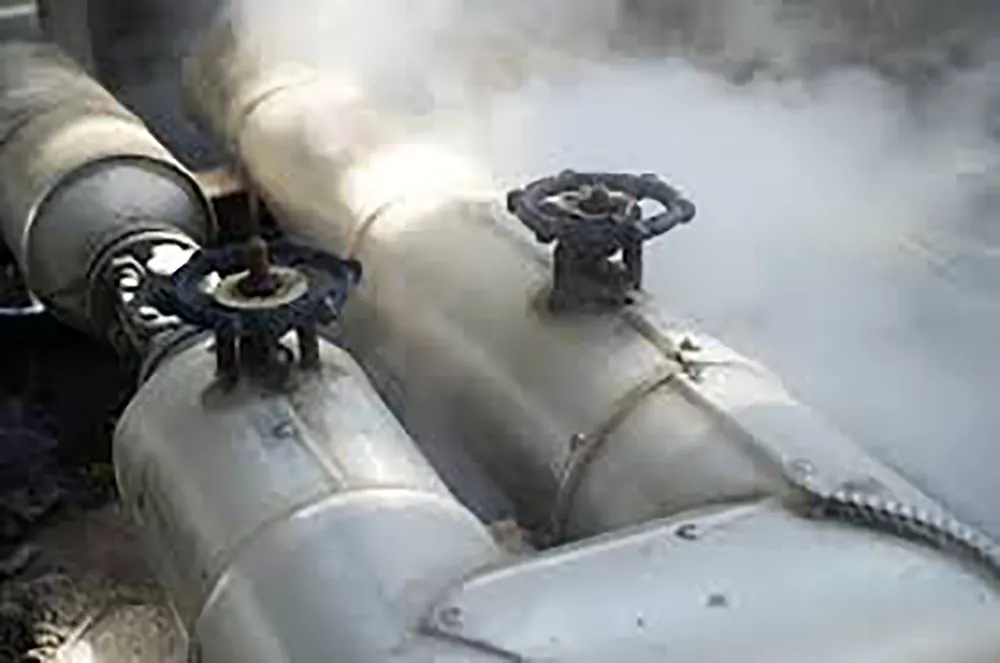
One of the most common mistakes in many industries is the use of non-standard or low-quality equipment for gas storage and transportation — a mistake that can lead to leaks, explosions, or costly production downtime.
Selecting equipment based on material type, design, pressure rating, and gas compatibility is critical.
For example, in high-pressure systems, using pressure vessels with valid international certifications and safe design standards can mean the difference between stable operation and catastrophic failure.
Compliance with engineering standards not only improves safety but also significantly increases the overall system lifespan.
The Role of Pressure Vessels in Leak Control
A pressure vessel is one of the key components of any gas system.
Its design, welding quality, and testing must strictly follow international codes such as ASME.
Vessels that are not properly maintained or inspected are highly susceptible to corrosion, material degradation, and leaks over time.
Proper Sealing and Material Selection
One of the main causes of gas leakage is improper sealing or the use of unsuitable sealing materials.
Choosing the right gaskets, O-rings, and sealants compatible with the type of gas, pressure, and temperature is essential to prevent recurrent leaks and ensure operational stability.
Advanced Technologies for Leak Detection and Control
Technological advancements have significantly enhanced the accuracy and reliability of leak detection systems.
Digital monitoring systems and smart equipment have become integral parts of modern industrial operations.
Automated Leak Detection Systems
Automated leak detection systems use high-precision sensors to detect minute changes in pressure, temperature, or gas composition, issuing instant alerts to prevent escalation.
This proactive approach allows maintenance teams to take corrective action before a leak becomes hazardous.
Cryogenic Technology and Temperature Control
In facilities handling liquefied gases, cryogenic systems play a key role in maintaining pressure and temperature stability.
Advanced equipment such as vaporizers helps regulate the gas evaporation process, ensuring consistent flow and reducing leakage risks.
Human Resources and Safety Culture
No technology can replace a well-trained workforce.
A strong safety culture and technical awareness among employees are fundamental pillars of gas leak prevention.
Training and Technical Awareness
Operators familiar with gas systems, pressure dynamics, and temperature control can better identify potential leaks and respond effectively to emergencies.
Regular training on the operation of critical components such as valves, pressure vessels, and semi-trailers helps reduce human errors and improve system reliability.
Incident Reporting and Rapid Response
Establishing an immediate reporting system for suspected leaks can prevent small issues from escalating into major incidents.
Employees must be trained to report even the smallest leaks promptly to the safety team for assessment and action.
Conclusion
Preventing industrial gas leaks requires a comprehensive approach that integrates advanced technologies, standard equipment, scheduled maintenance, and skilled personnel.
Farjad Engineering & Development Co. continues to deliver reliable, certified, and innovative solutions for gas storage, transfer, and safety systems — helping industries achieve maximum safety, operational efficiency, and sustainability.